J. Percy Priest Lake fishing conditions · Tennessee

Now until tomorrow 2 pmCrappie

The bite peaks at 76. Water is 64°, close to the 65° crappie like best, and a solunar period lands on the window.

Log a trip here
Right now: 71 for crappie, worth the trip · inside the best windowTap or drag along the water to move through the next 36 hours

Crappie, hour by hour

Each float is an hour. The deeper it rides, the better the bite. The strip underneath runs daylight, dusk and dark; the red rule marks the best window. Click any hour to read it.

  1. 712 am
  2. 71
  3. 71
  4. 715 am
  5. 76
  6. 76
  7. 768 am
  8. 76
  9. 76
  10. 7611 am
  11. 76
  12. 76
  13. 762 pm
  14. 76
  15. 76
  16. 765 pm
  17. 76
  18. 76
  19. 768 pm
  20. 76
  21. 76
  22. 7611 pm
  23. 76Tue
  24. 76
  25. 762 am
  26. 76
  27. 76
  28. 765 am
  29. 76
  30. 76
  31. 768 am
  32. 76
  33. 76
  34. 7611 am
  35. 76
  36. 76
Go, 85+Worth the trip, 70+Marginal, 55+Sit it out

Right now · best window

Water
64°F

Crappie range 50–80°

Wind
0 mph

From the

Flow
69.9 cfs

steady · -13% in 24 h

Light
Dark

Sunrise 7:03 am

Sky
Partly Cloudy

No rain expected

Air
54°F

NWS hourly forecast

Barometer
Rising

Measured, last 3 hours

Moon
100% lit

Full

What’s biting

Each species is scored against its own water-temperature range and tide preference, then wind, weather and warnings. The rules are Tennessee regulations for these waters.

Crappie

Crappie

Pomoxis spp.

76Worth the tripNow until tomorrow 2 pm

Water

64°
40°50–80° · ideal 65°90°

Why

Right in crappie's ideal range. Holds 3–20 ft down.

Keep

10" minimum · 15 a day

Open. Keep fish within the limits. Tennessee statewide: 10" minimum, 15 crappie a day; Region 1 waters without their own rule are 30 a day with no minimum. Kentucky Lake is 10" and 20 a day; Percy Priest is 10" and 30 a day.

Verified Oct 23, 2026 · Tennessee

Season here: Mar–May, Oct–Dec, estimated from local air temperature, 2023–2025; there is no water gauge here. More on crappie
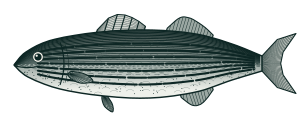
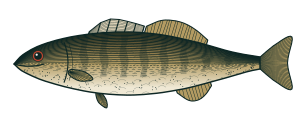
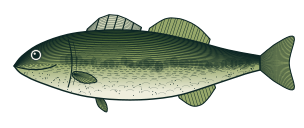
Striped Bass

Striped bass

Morone saxatilis

76Worth the tripNow until tomorrow 2 pm

Water

64°
40°50–72° · ideal 62°82°

Why

Right in striped bass's ideal range. Holds 5–35 ft down.

Keep

15" minimum · 2 a day

Open. Keep fish within the limits. Tennessee: 15" minimum, 2 striped or hybrid striped bass a day combined. Cordell Hull protects striped bass from 32 to 42"; the Mississippi River allows 6 with no minimum.

Verified Oct 23, 2026 · Tennessee

Season here: Mar–Jun, Oct–Nov, estimated from local air temperature, 2023–2025; there is no water gauge here. More on striped bass

Smallmouth Bass

Smallmouth bass

Micropterus dolomieu

70Worth the tripNow until tomorrow 2 pm

Water

64°
45°55–78° · ideal 68°88°

Why

Inside smallmouth bass's active range. Settled river level — clearer water, easier wading. Holds 3–30 ft down.

Keep

5 a day

Open. Keep fish within the limits. Tennessee statewide: no minimum length, 5 black bass a day combined. Reservoir rules: Kentucky Lake 15"; Percy Priest and Tims Ford 18"; Chickamauga no minimum but only 1 over 16"; Dale Hollow protects smallmouth from 16 to 21" and allows 2 a day.

Verified Oct 23, 2026 · Tennessee

Season here: Feb–Dec, estimated from local air temperature, 2023–2025; there is no water gauge here. More on smallmouth bass

Largemouth Bass

Largemouth bass

Micropterus salmoides

64MarginalNow until tomorrow 2 pm

Water

64°
45°55–85° · ideal 72°95°

Why

Inside largemouth bass's active range. Holds 3–25 ft down.

Keep

5 a day

Open. Keep fish within the limits. Tennessee statewide: no minimum length, 5 black bass a day combined. Most big reservoirs set their own minimum: Kentucky Lake, Chickamauga, Percy Priest, Tims Ford and Dale Hollow are 15" on largemouth.

Verified Oct 23, 2026 · Tennessee

Season here: Feb–Dec, estimated from local air temperature, 2023–2025; there is no water gauge here. More on largemouth bass

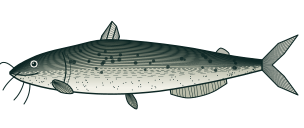
Channel Catfish

Channel catfish

Ictalurus punctatus

64MarginalNow until tomorrow 2 pm

Water

64°
50°60–85° · ideal 75°95°

Why

Inside channel catfish's active range. Holds 5–30 ft down.

Keep

no daily limit

Open. Keep fish within the limits. Tennessee: no limit on catfish 34" and under; only 1 catfish over 34" may be kept a day.

Verified Oct 23, 2026 · Tennessee

Season here: Mar–Nov, estimated from local air temperature, 2023–2025; there is no water gauge here. More on channel catfish

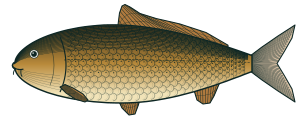
Common Carp

Common carp

Cyprinus carpio

64MarginalNow until tomorrow 2 pm

Water

64°
42°52–86° · ideal 72°96°

Why

Inside common carp's active range. Holds 1–15 ft down.

Keep

no daily limit

Open. Keep fish within the limits. Tennessee: nongame species, common carp included, have no creel or length limit. Silver, bighead and black carp may not be possessed or transported alive.

Verified Oct 18, 2026 · Tennessee

Last checked 8 days ago. Rules may have changed.

Season here: Apr–Nov, estimated from local air temperature, 2023–2025; there is no water gauge here. More on common carp

The water

  • Water temperature64°F
  • River69.9 cfs · steady · -13% in 24 h
  • Barometer30.39 inHg, rising

Sun, moon & solunar

  • Sunrise today7:03 am
  • Sunset today5:57 pm
  • MoonFull, 100% lit
  • Minor solunarToday 7:10 am–8:10 am
  • Major solunarToday 11:40 am–1:40 pm
  • Minor solunarToday 5:30 pm–6:30 pm

Solunar tables are a popular heuristic. A peer-reviewed test found they don’t predict catch on their own, so here they only nudge the score when the tide or moon already agree. How the score works

Fishing report

Tennessee TWRA report, Oct 11

Names crappie, largemouth bass, smallmouth bass, striped bass, which people fish for here. It covers the whole state, so it may not describe these waters.

Read it at Tennessee TWRA

Licenses and rules: state fishery agencies · fish-consumption advisories

About this spot

Nashville's in-town reservoir on the Stones River — largemouth and smallmouth bass, a popular crappie fishery, plus striped bass and catfish minutes from downtown.

Nearby

The closest public spots we cover, with the same 36 hours of floats.

Caney Fork River43 mi · TennesseeBest now until tomorrow 2 pm
58Marginal
Tims Ford Lake67 mi · TennesseeBest now until tomorrow 2 pm
64Marginal
Dale Hollow Lake78 mi · TennesseeBest now until tomorrow 3 pm
58Marginal
Kentucky Lake84 mi · TennesseeBest now until tomorrow 2 pm
58Marginal
Lake Barkley94 mi · KentuckyBest now until tomorrow 2 pm
58Marginal
Kentucky Lake95 mi · KentuckyBest now until tomorrow 2 pm
64Marginal

Questions people ask

Do I need a fishing license to fish at J. Percy Priest Lake?

Yes (anglers age 16 and older). To fish at J. Percy Priest Lake you need the appropriate state fishing license. See the agency's current rules: the state agency website

What fish are commonly targeted at J. Percy Priest Lake?

J. Percy Priest Lake is listed on this site for 6 commonly-targeted species: Largemouth Bass, Smallmouth Bass, Crappie, Striped Bass, and 2 more. Which species is currently in season and which is scoring highest today is shown in the per-species ranking on this page.

When is the best time to fish at J. Percy Priest Lake?

It depends more on the species and the day's conditions than on a fixed "best hour." Water temperature, weather, and — at tidal locations — the stage of the tide drive activity most. The per-species ranking on this page scores every target species at J. Percy Priest Lake against today's live conditions, so the fish near the top are your best bets right now; check back as conditions change through the day.

What kind of access does J. Percy Priest Lake have?

J. Percy Priest Lake has multiple access types — pier, shoreline, and at least one public boat ramp.

Which state's fishing regulations apply at J. Percy Priest Lake?

state agency regulations apply at J. Percy Priest Lake. Size limits, creel limits, and seasonal closures are listed per species on each species page. Always confirm against the agency source linked from each regulation block — emergency closures can take effect mid-season.

Is J. Percy Priest Lake tidal water?

No. J. Percy Priest Lake is non-tidal — water level varies with rainfall, seasonal flow, and (where applicable) upstream dam releases rather than tidal exchange.